
Grinding Media Depot®
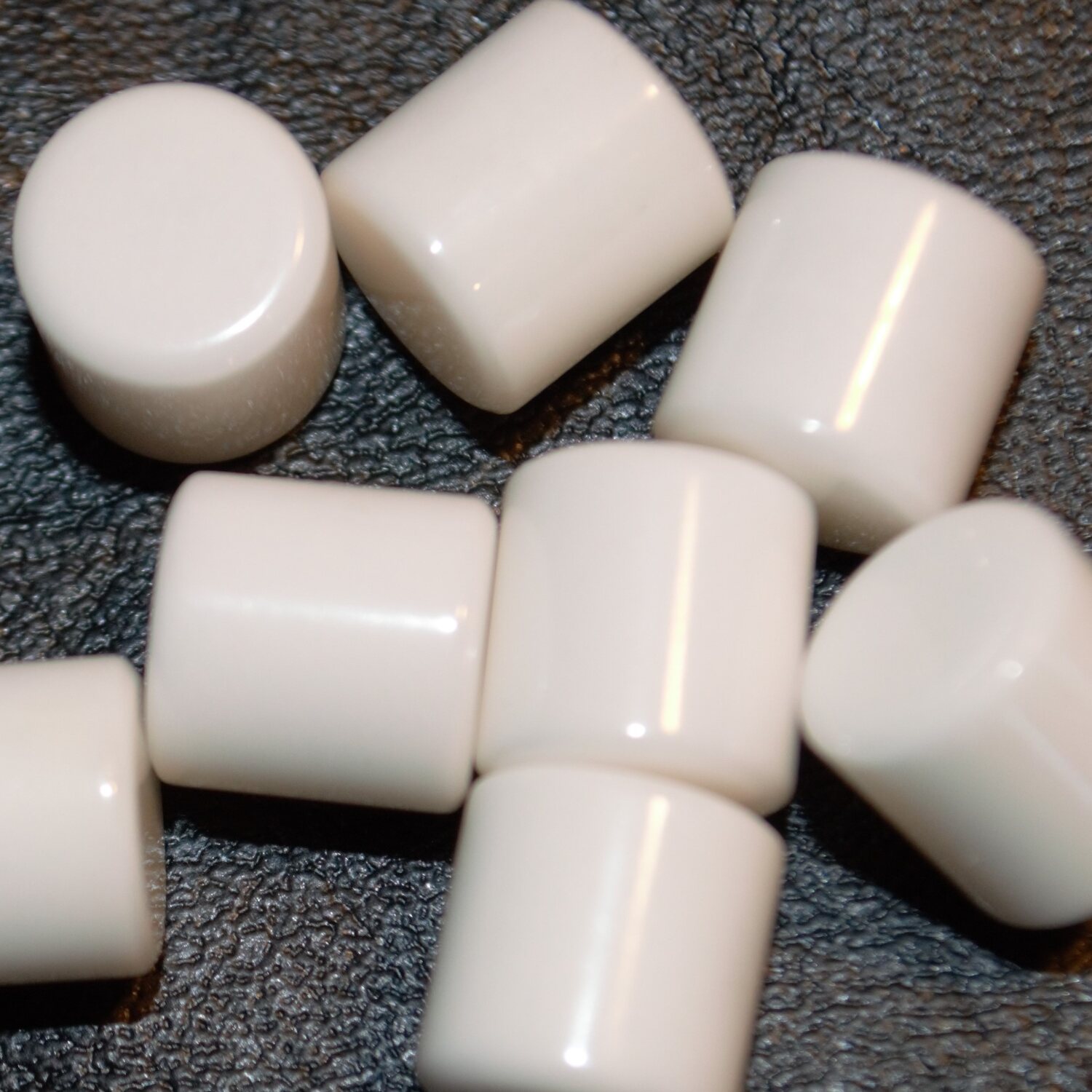
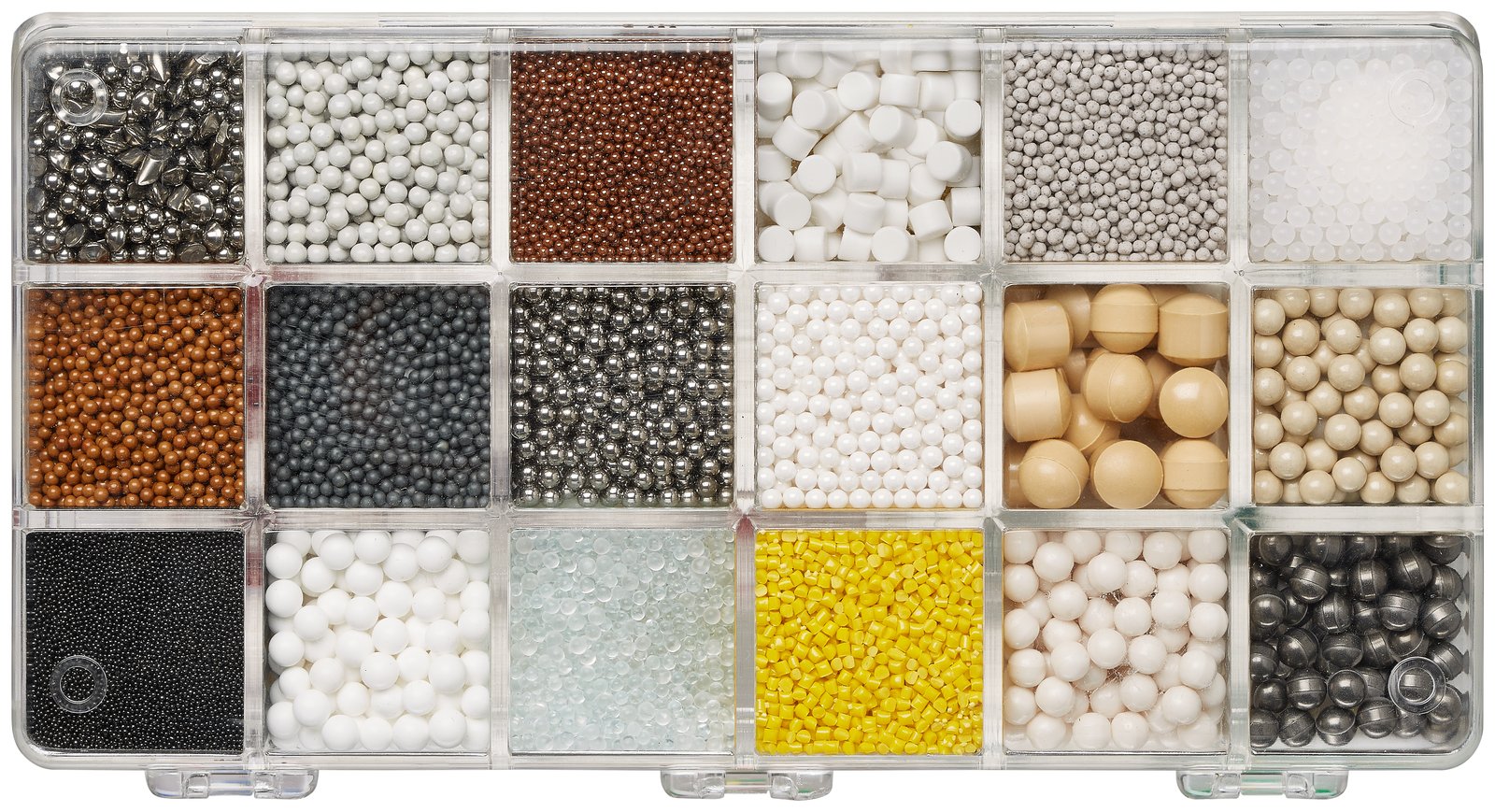
Norstone, Inc. stocks grinding medias across seven material families for particle size reduction, deagglomeration, mixing, and blending — from coarse milling down to nanoparticle sizes. Families differ in density, hardness, chemical resistance, and contamination profile, and the right choice depends on the process, target particle size, contamination tolerance, and equipment in use.
Grinding Media Categories
Polymeric Grinding Medias
Lower-density media for low-contamination processes — Polystyrene, Polyamide, Polycarbonate, and Polyethylene.
Silica/Glass Grinding Medias
Cost-effective, general-purpose media — Soda Lime, Borosilicate, Low Alkali, and Barium Titanate.
Alumina Grinding Medias
Hard, wear-resistant ceramic media across a range of purities, from 73% to 99.99% alumina.
Zirconia Silicate Grinding Medias
Moderate-density media for general particle size reduction — Zirconium Silicate, Magnesium Silicate, Alumina Silicate, and Flint.
Zirconia Oxide Grinding Medias
High-density ceramic media for fine particle size reduction — Yttria, Cerium, Magnesium, and Alumina Zirconia.
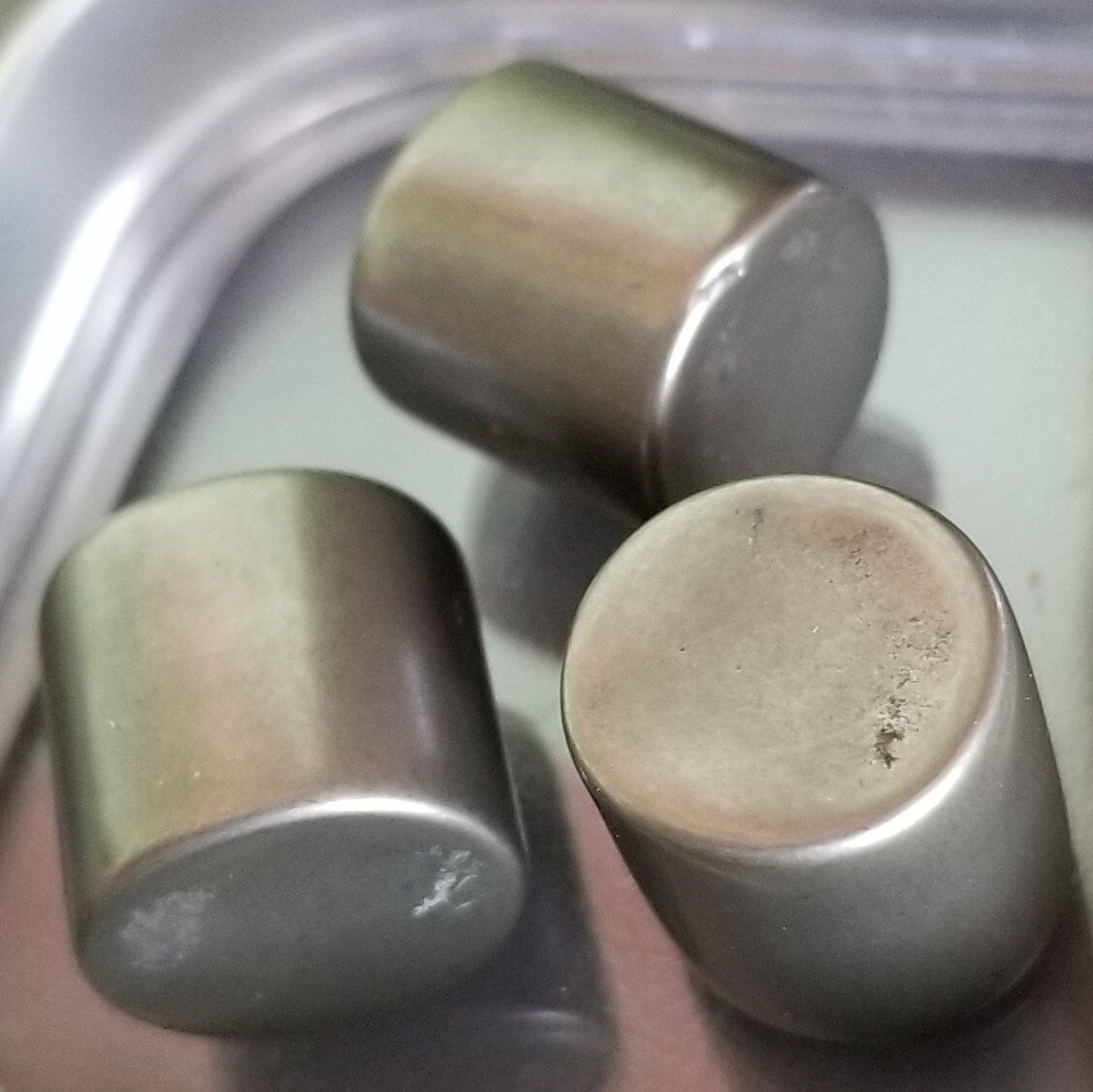
Steel Grinding Medias
Metallic media for coarser particle size reduction — Carbon, Stainless, and Chrome Steel.
Exotic Grinding Medias
Specialty, high-hardness media — Tungsten Carbide, Silicon Carbide, Silicon Nitride, Boron Nitride, and Diamond.
Choosing a Grinding Media Family
Families are distinguished by media chemistry, which affects density, hardness, abrasion resistance, and size. Each family offers the manufacturer options for optimizing their process. For example, polymeric and glass medias are lower in density, which helps the process run cooler and also reduces contamination; zirconia silicates and aluminas can improve production rates with their higher density and medium price range; zirconia oxides and exotic medias provide the longest life and in some cases the highest density, but are expensive and could cause higher wear rates of mill parts. Steel can be the ideal media with its reasonable pricing and high density, but will gray products, can rust, and is not available in sizes as small as ceramics or glass. There are many options. Norstone can help you determine the best one.
Applications by Industry
Grinding medias support particle size reduction across coatings, inks, pharmaceuticals, minerals, cosmetics, batteries, chemicals, and additional industries, with material selection varying by type of mill, contamination tolerance, target particle size, and price. Visit the Industries section for guidance on which family typically fits a given industry.
Related Equipment
Grinding medias are used in a variety of mill configurations and in conjunction with mixing and dispersing equipment, which can all be provided by Norstone, Inc. — including Blade Depot® dispersing impellers and mixing blades and mills configured for wet and dry grinding across all seven families.
Technical Resources
Published guidance on grinding media selection and particle size reduction is available in the Technical Articles library.